A first trip to Italy can feel like an invitation to do everything at once. Ancient ruins, art collections, canal views, food markets and beautiful streets all compete for the same limited days. The answer is not to walk faster. It is to decide what matters most and create a route with enough time around the major experiences. Rome, Florence and Venice make a rewarding introduction when they are treated as three distinct stays rather than a series of rushed arrivals.
For this suggested itinerary, allow roughly ten days if possible. That gives each city a chance to become more than a list of famous names. If your holiday is shorter, remove a stop rather than removing every unplanned hour. The delight of Italy often comes after the main sightseeing is finished, when you find a small square, choose a simple meal and realise there is nowhere else you urgently need to be.
Give Rome a focused plan each day
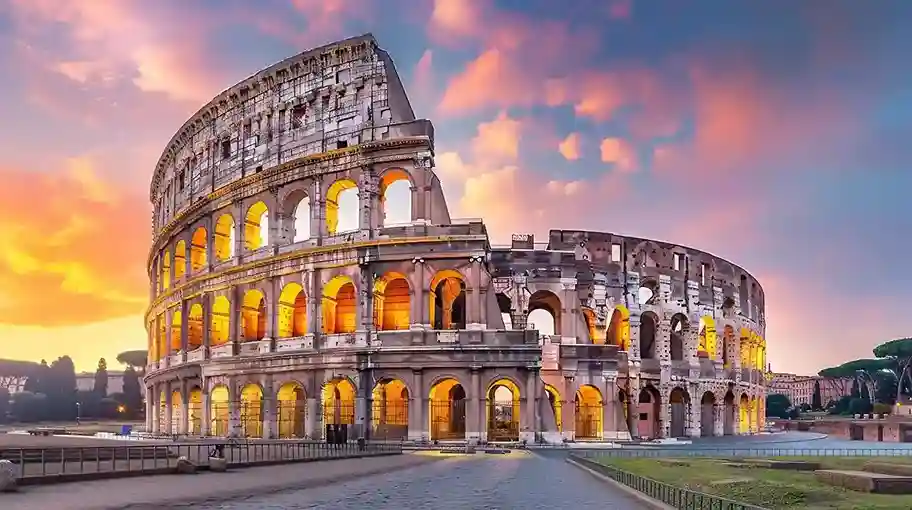
Rome rewards a little structure because its major areas can require substantial walking. Group your plans geographically and choose one main attraction or theme for each day. An ancient-history day, a day focused on art or religious architecture and a day of neighbourhood wandering offer useful variety. Check the current booking arrangements for the places that matter most to you, then build meals and rest around those fixed points. Avoid placing two demanding visits back to back simply because both appear essential in a guidebook.
Make room for Rome after the major sights. Walk through an area where people are having their ordinary evening, find a restaurant whose menu suits the group and enjoy being outside as the pace changes. A short visit to a square on the way to dinner can be more memorable than a hurried detour made while everyone is hungry and tired.
Use Florence as a place to look closely
Florence invites attention to detail: stonework, shop windows, a river view and the way a street opens into a larger space. Choose your principal art visit thoughtfully rather than booking several galleries because they are famous. If you love painting, give it enough time. If your interests lie elsewhere, mix one cultural visit with markets, neighbourhood walks or a quieter afternoon. The city does not need to be experienced through a museum queue alone.
A countryside excursion can add variety, but consider its effect on a short stay. One full day in Florence after a late arrival may not leave room for both the city and a long regional outing. Decide whether this holiday is about getting to know the classic cities or using them as gateways to other areas. Both approaches work; trying to do both in too few days usually feels rushed.
Let Venice be a walking experience
Venice is easier to enjoy when you accept that a walk may take longer than expected. Bridges, narrow passages and the temptation to follow a quieter lane are part of the experience. Visit the famous central areas, then spend time beyond them without trying to photograph every corner. Keep luggage manageable and understand the final journey to your accommodation before arrival. The difference between an enjoyable introduction and a stressful one can be as simple as knowing which stop and walking route you need.
A suggested ten-day classic route
- Days one to four: stay in Rome. Keep arrival day gentle, arrange major visits across separate days and reserve an evening or two for neighbourhood walks and relaxed meals.
- Day five: travel to Florence. Allow time to check in, get oriented and enjoy the streets without immediately beginning a tightly scheduled programme.
- Days six and seven: explore Florence through one main cultural experience and a slower day. Add an excursion only if it reflects a genuine priority.
- Days eight to ten: move to Venice, explore at a walking pace and allow a comfortable final departure. Returning to a favourite area can be more rewarding than adding another distant stop.
Make food part of the day’s rhythm
Choose some meals intentionally and leave others open to discovery. Read menus before sitting down, ask clearly about dietary requirements and notice regional differences instead of seeking the same dish in every city. A market visit or bakery breakfast can be as satisfying as a more elaborate dinner. Avoid making sightseeing so dense that every lunch becomes an emergency purchase between appointments. Time to eat comfortably is part of experiencing the destination.
Keep practical decisions simple
Compare intercity travel for your actual dates and choose accommodation with a realistic station-to-room route. Comfortable footwear and luggage you can carry make a noticeable difference across all three cities. Keep important booking details accessible, but avoid spending the whole visit staring at your phone for the fastest path. Once you understand the day’s main commitment, let the smaller decisions happen naturally. Italy gives you plenty to notice when you are no longer rushing past it.
Plan your visit
This is a suggested itinerary: adapt the pace to your interests and check transport, attraction availability and local conditions for your dates. For destination information, visit the official Italy tourism website.