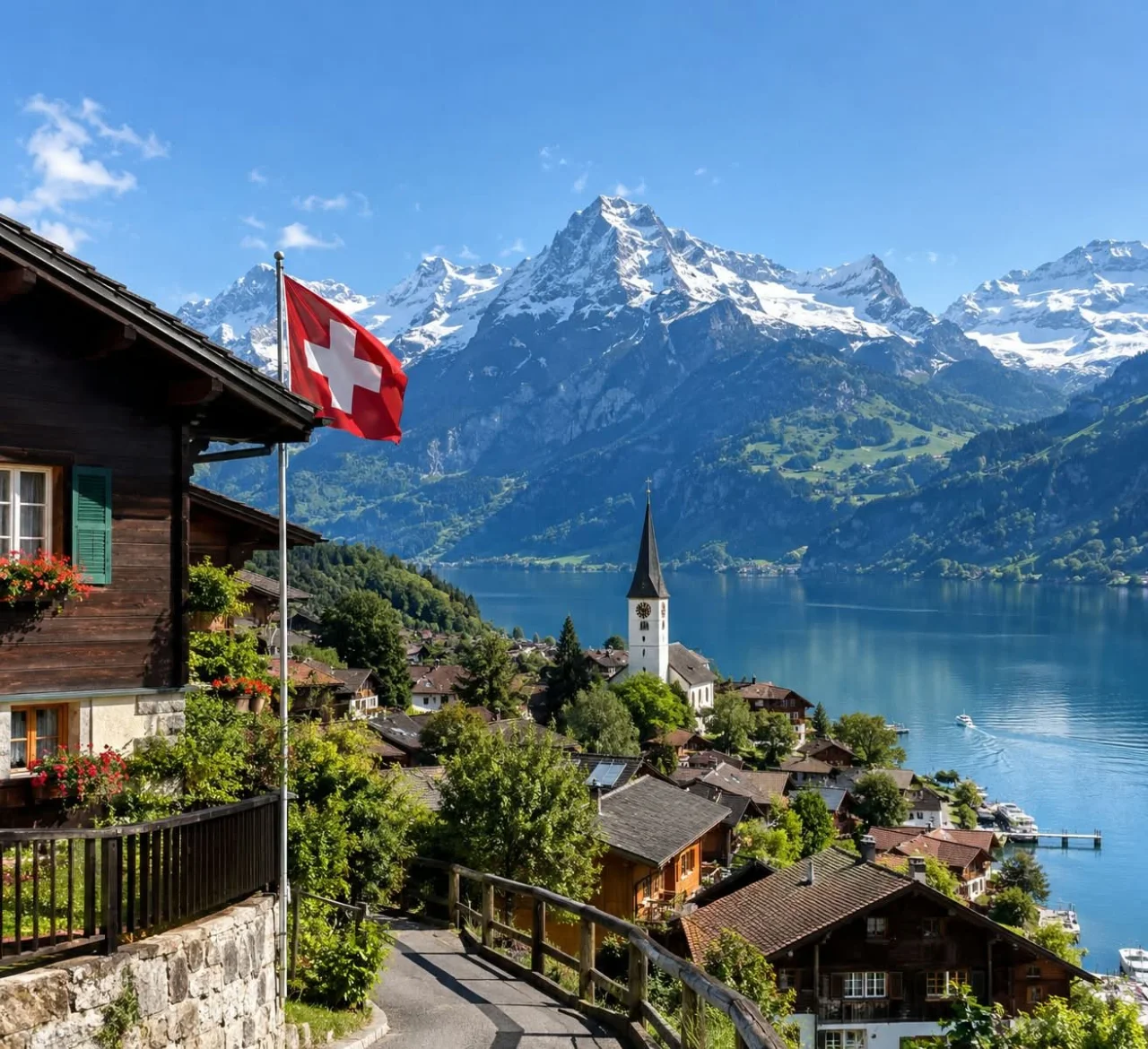
Switzerland is one of Europe's most beautiful travel destinations, known for its snow-covered mountains, charming villages, crystal-clear lakes and scenic train journeys. From exploring the Swiss Alps during summer to experiencing the magic of Christmas markets in winter, every season offers a different reason to visit this stunning country.
Understanding the best time to visit Switzerland can help you choose the right destinations, activities and travel experiences for your holiday.
But what is the best time to visit Switzerland? The answer depends on what you want to experience. Summer is ideal for outdoor adventures and sightseeing, winter is perfect for snow activities, while spring and autumn offer beautiful landscapes and a more relaxed atmosphere.
Let's explore Switzerland's four seasons, weather conditions and the best experiences to help you plan your holiday.
1. Switzerland in Summer (June to August)
Summer is one of the most popular times to explore Switzerland. The weather is generally pleasant, Alpine meadows turn green, and the country's beautiful lakes become perfect for outdoor activities.
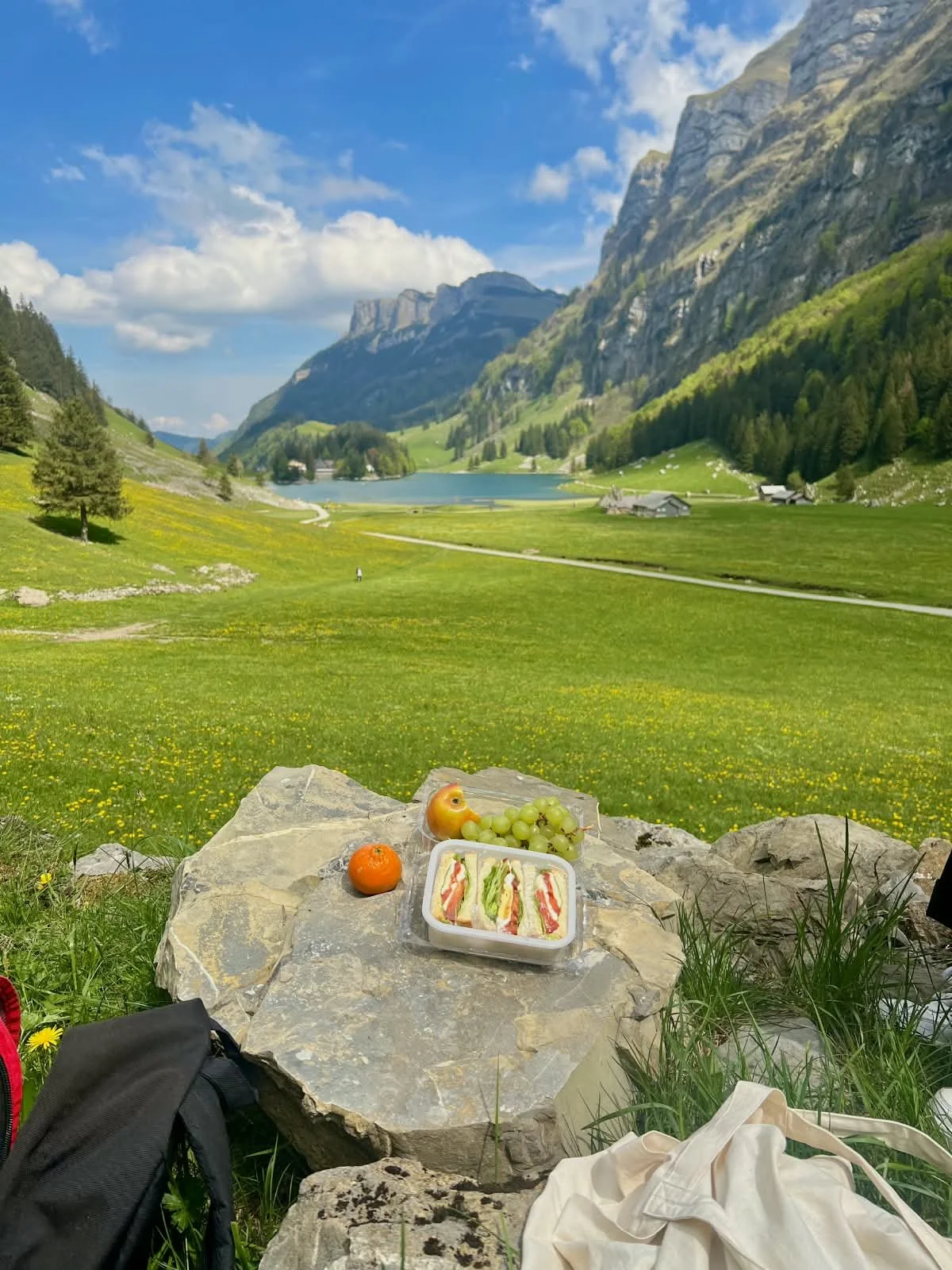
According to Switzerland Tourism's official climate guide, daytime temperatures during July and August generally range between 18°C and 28°C, although conditions vary depending on altitude and location.
This season is particularly suitable for travellers who enjoy scenic landscapes, mountain excursions, hiking and lakeside experiences.
Best Things to Do in Switzerland During Summer
- Explore Lauterbrunnen: Discover its beautiful Alpine valley, traditional villages and impressive waterfalls.
- Visit Lake Geneva: Enjoy scenic boat rides, waterfront walks and beautiful lakeside towns.
- Discover Interlaken: Experience mountain excursions, adventure activities and spectacular Alpine scenery.
- Explore Grindelwald: Enjoy mountain views, hiking trails and cable car experiences.
- Take a Scenic Train Journey: Experience Switzerland's breathtaking landscapes through its famous panoramic railway routes.
For more inspiration, explore Switzerland's official summer travel experiences.
Who should visit? Summer is ideal for couples, families and first-time visitors interested in sightseeing, hiking, mountain excursions and outdoor experiences.
2. Switzerland in Winter (December to February)
Winter transforms Switzerland into a beautiful destination filled with snow-covered mountains, charming villages and festive celebrations.
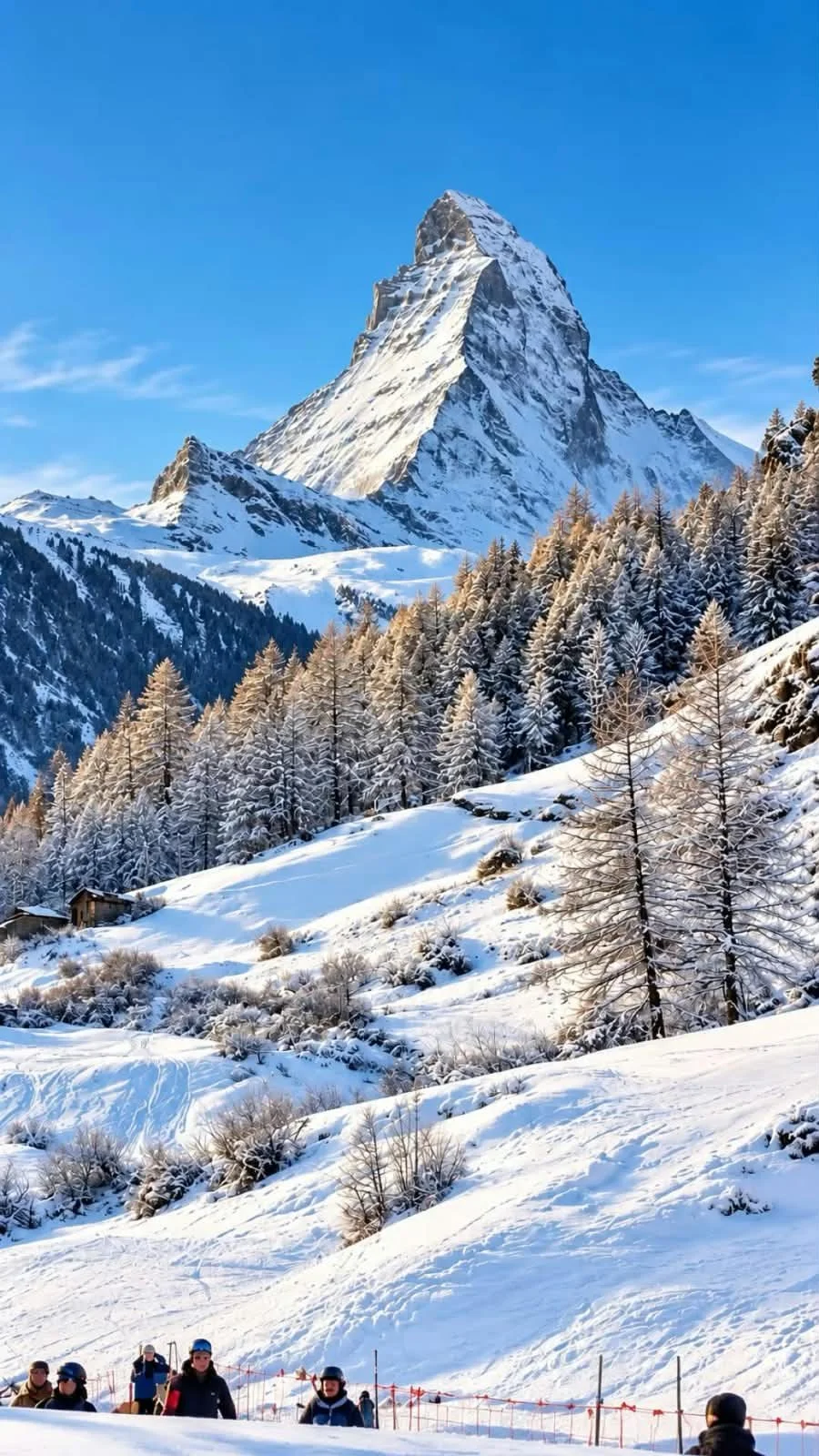
It is one of the most popular seasons for travellers interested in skiing, snowboarding and other Alpine winter activities. Destinations such as Zermatt, Verbier and St. Moritz attract visitors from around the world.
According to Switzerland Tourism, daytime temperatures in lower-altitude areas during January and February generally range from -2°C to 7°C. Mountain regions can be considerably colder.
December is particularly attractive for travellers who want to experience Christmas markets, festive decorations and traditional European winter celebrations.
Best Things to Do in Switzerland During Winter
- Experience Skiing in Zermatt: Enjoy winter sports with views of the famous Matterhorn.
- Visit St. Moritz: Discover one of Switzerland's well-known luxury winter destinations.
- Explore Lucerne: Walk through the historic city and enjoy its winter atmosphere.
- Experience Christmas Markets: Discover festive markets, seasonal food and traditional decorations.
- Enjoy Snow Activities: Try snowboarding, sledging and other winter experiences at suitable mountain resorts.
Who should visit? Winter is perfect for honeymooners, couples, families and travellers looking for snow experiences, skiing and a festive European holiday.
3. Switzerland in Spring (March to May)
Spring brings a gradual transformation to Switzerland's landscapes. Flowers begin to bloom, trees become greener and temperatures slowly become milder.
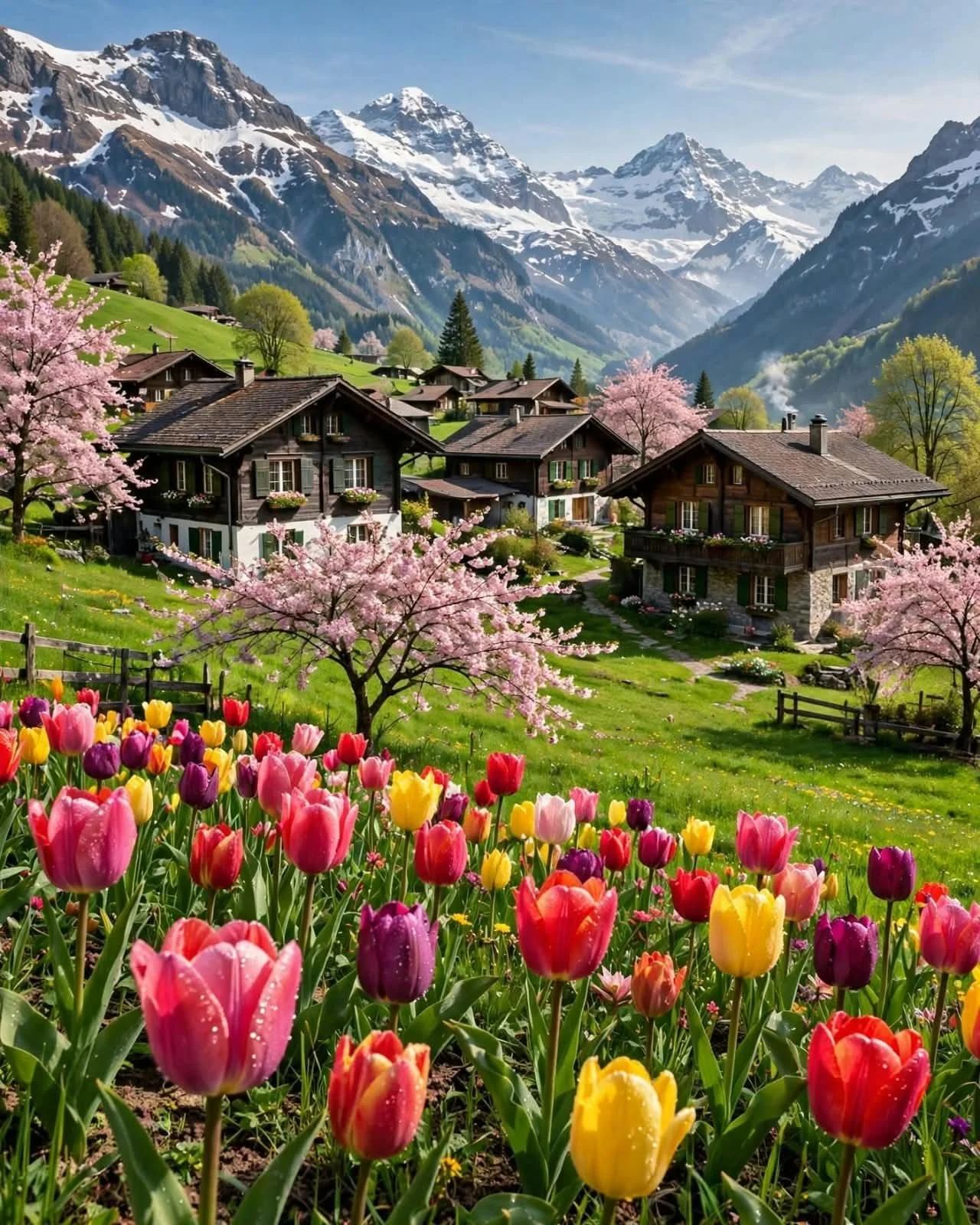
It is a lovely season for exploring cities, enjoying scenic countryside and visiting attractions without planning an entirely snow-focused holiday.
March can still feel like winter in many mountain destinations, while April and May generally bring more spring-like conditions to lower-altitude regions.
However, some mountain lifts, hiking routes and seasonal attractions may have limited operations during this transition period.
Best Things to Do in Switzerland During Spring
- Explore Zurich: Discover historic streets, shopping areas and beautiful lakeside surroundings.
- Visit Lucerne: Explore Chapel Bridge and enjoy views of Lake Lucerne.
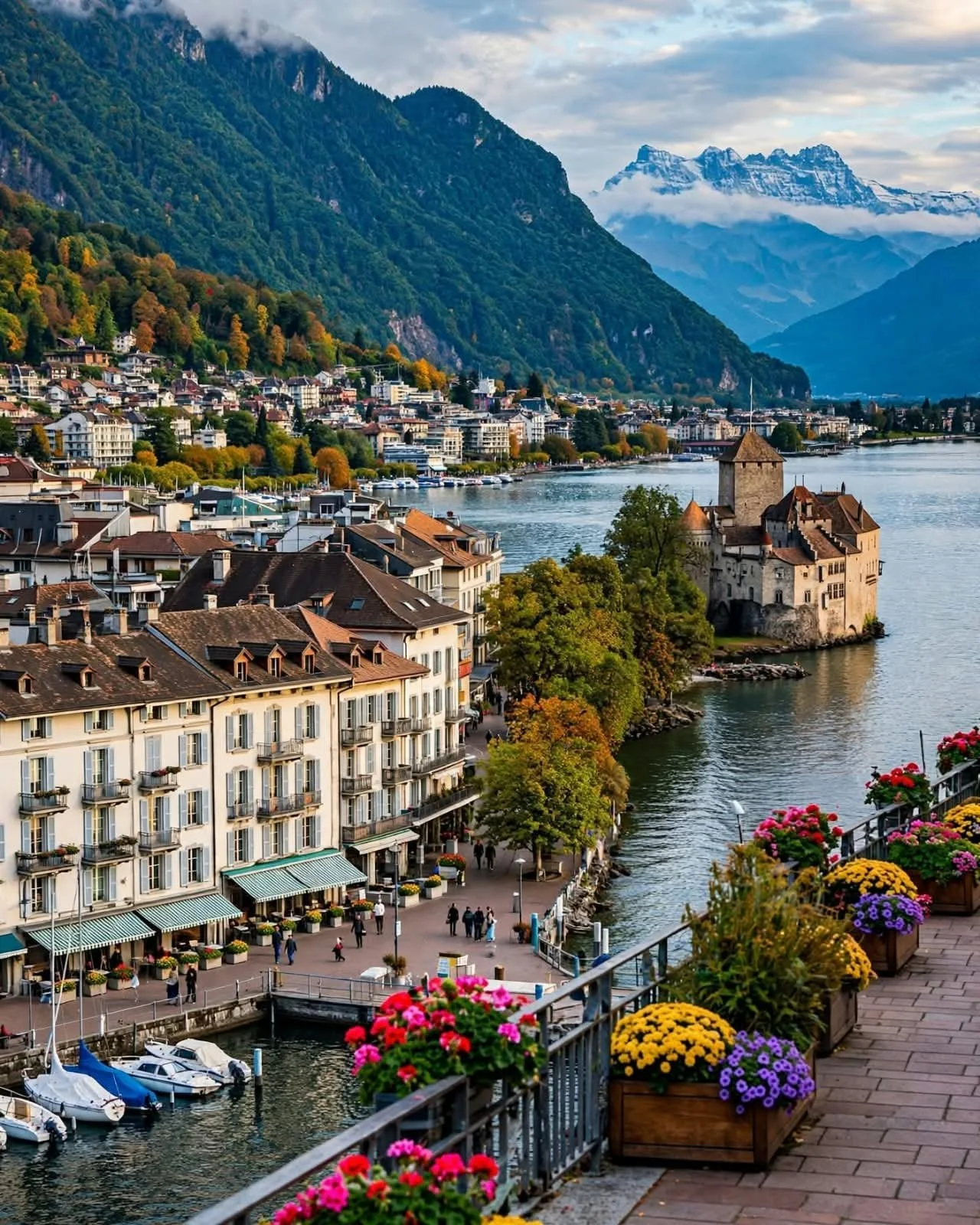
- Discover Montreux: Enjoy the scenic lakeside setting along Lake Geneva.
- Explore Swiss Gardens: Experience colourful spring flowers and landscaped gardens.
- Enjoy City Sightseeing: Visit museums, historic landmarks and traditional Swiss cafés.
Who should visit? Spring is suitable for travellers interested in city breaks, relaxed sightseeing and exploring Switzerland's cultural attractions.
4. Switzerland in Autumn (September to November)
Autumn is a beautiful time to experience Switzerland's natural landscapes. Trees gradually change colour, mountain scenery takes on golden tones and vineyards become particularly attractive.
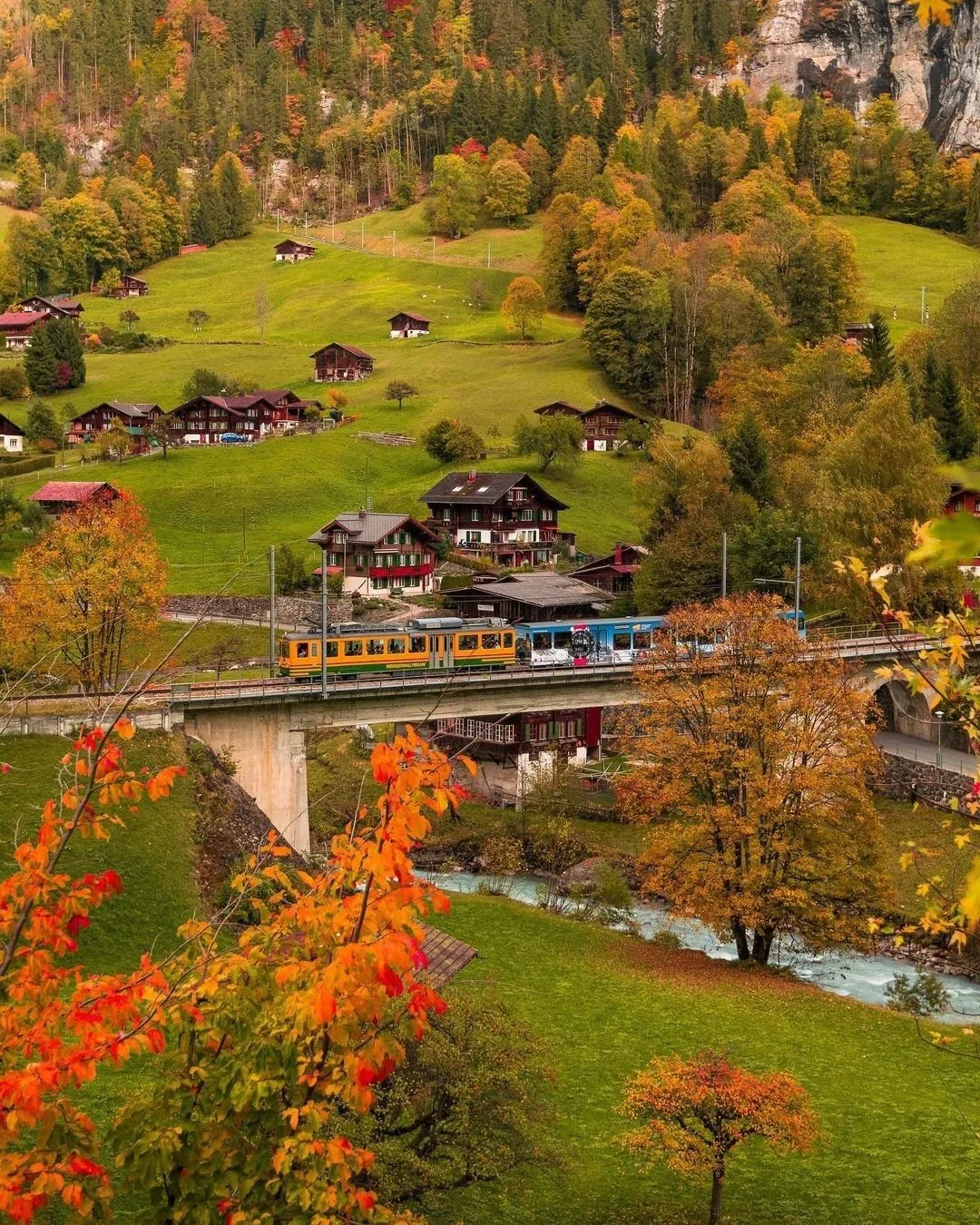
September and October are especially appealing for travellers who enjoy scenic photography, countryside exploration and outdoor experiences.
The weather generally becomes cooler as autumn progresses. November can be a quieter transition period, when some mountain resorts and seasonal facilities temporarily close before the winter season.
Best Things to Do in Switzerland During Autumn
- Explore the Swiss Countryside: Admire colourful forests, mountain villages and scenic landscapes.
- Visit Lake Brienz: Enjoy the beautiful lake surrounded by mountains.
- Discover the Lavaux Vineyards: Explore the terraced vineyards overlooking Lake Geneva.
- Visit Bern: Discover its historic Old Town and traditional architecture.
- Enjoy Scenic Train Journeys: Experience Switzerland's changing autumn landscapes.
Who should visit? Autumn is a wonderful choice for couples, photographers and travellers looking for scenic experiences and a relatively relaxed holiday.
5. Best Month to Visit Switzerland: Month-by-Month Guide
Choosing the right month depends on your preferred activities, weather expectations and travel plans.
| Month | What to Expect |
|---|---|
| January | Snow activities and winter sports |
| February | Skiing and Alpine winter experiences |
| March | Late winter and early spring transitions |
| April | Spring flowers and city sightseeing |
| May | Greener landscapes and milder weather |
| June | Beginning of summer and outdoor activities |
| July | Hiking, lakes and mountain excursions |
| August | Summer sightseeing and lake experiences |
| September | Pleasant weather and early autumn scenery |
| October | Autumn colours and scenic countryside |
| November | Quieter travel period and seasonal closures |
| December | Christmas markets and winter experiences |
Ultimately, the best time to visit Switzerland depends on whether you prefer summer adventures, winter sports, spring sightseeing or autumn scenery.
For skiing and snow experiences, December to February is generally more suitable, although snow conditions depend on the resort, altitude and weather.
6. What Is the Best Time to Visit Switzerland for Indian Travellers?
For Indian travellers, choosing the best time to visit Switzerland also depends on holiday preferences, school vacations and the experiences they want to enjoy.
For Summer Holidays: June to August is an excellent choice for families and couples interested in sightseeing, scenic train journeys and beautiful Alpine landscapes.
For Honeymoon Holidays: June to September offers opportunities to enjoy lakeside destinations, mountain views and romantic experiences. December is another attractive option for couples who love winter scenery.
For Snow Experiences: January and February are popular choices for skiing and winter activities in mountain resorts.
For Christmas Holidays: December offers a festive atmosphere with Christmas markets, seasonal decorations and winter experiences.
Indian travellers should also plan international flights, accommodation and Schengen visa requirements in advance, particularly when travelling during popular holiday periods.
7. Travel Tips for Planning a Switzerland Holiday
A little preparation can make your Switzerland holiday more comfortable and enjoyable.
Book Accommodation in Advance
Summer and major winter holiday periods can experience higher demand, particularly in popular mountain destinations. Booking accommodation early gives you more options.
Check Mountain Transport Availability
Cable cars, mountain railways and hiking routes may operate seasonally or according to weather conditions. Check the operating schedule before planning your excursions.
Pack According to the Season
Carry comfortable walking shoes, warm clothing and rain protection. Mountain weather can change quickly, even during summer.
Plan Your Transportation
Switzerland has an extensive public transport network, including trains, buses and boats.
International visitors can consider the Swiss Travel Pass, which offers travel on eligible trains, buses and boats, as well as local public transport in covered towns and cities. Some panoramic trains require separate seat reservations or supplements.
Check the Weather Before Mountain Excursions
Weather conditions can differ significantly between cities and high-altitude destinations. Check local forecasts before heading towards mountain viewpoints or planning outdoor activities.
For official weather and climate information, visit Switzerland Tourism.
Plan Your Switzerland Holiday with Makemore Holidays
Switzerland is a destination worth experiencing in every season. Whether you dream of exploring green Alpine valleys in summer, enjoying snow-covered mountain landscapes in winter or discovering charming European towns in autumn, the country offers unforgettable travel experiences.
At Makemore Holidays, we help travellers plan customised international holidays according to their interests, preferred travel dates and travel style.
From selecting destinations and planning itineraries to arranging suitable accommodation and travel experiences, we help make your European holiday more convenient.
Whether you are planning a romantic getaway, a family vacation or a personalised European journey, let us help you create an experience worth remembering.
Ready to discover Switzerland? Connect with Makemore Holidays and start planning your next European escape.
Frequently Asked Questions About Switzerland
1. What is the best time to visit Switzerland?
June to September is ideal for sightseeing, hiking and enjoying lakes and mountain landscapes. December to February is popular for skiing, snow activities and winter experiences.
2. Which month is best for Switzerland for Indian tourists?
June, July, August and September are excellent choices for Indian travellers interested in sightseeing and outdoor activities. December to February is more suitable for travellers looking for snow experiences.
3. Is Switzerland worth visiting in November?
Yes, Switzerland can still be beautiful in November, especially for city sightseeing and quieter travel experiences. However, some mountain attractions, cable cars and seasonal hotels may close temporarily.
4. When can you see snow in Switzerland?
Snow is generally more reliable in higher-altitude mountain regions during winter, particularly from December to February. Snow conditions vary by location and weather.
5. How many days are enough for a Switzerland trip?
Around 7–10 days is a good starting point for exploring popular destinations such as Zurich, Lucerne, Interlaken, Grindelwald and Zermatt. The ideal duration depends on your itinerary and travel preferences.
6. Is Switzerland expensive for Indian travellers?
Switzerland is generally considered an expensive European destination. Accommodation, dining, transportation and mountain excursions can add significantly to the overall travel budget. Planning ahead and choosing suitable travel options can help manage expenses.
7. What clothes should I pack for Switzerland?
Pack according to the season. Summer visitors should carry light clothing along with a jacket and comfortable walking shoes. Winter travellers should bring thermal wear, insulated jackets, gloves, scarves and waterproof footwear. Weather conditions can vary significantly between cities and mountain destinations.